• 3D Acoustic Fabric Panel
  • 3D Acoustic Fabric Panel
  • 3D Acoustic Fabric Panel
  • 3D Acoustic Fabric Panel
  • 3D Acoustic Fabric Panel
  • 3D Acoustic Fabric Panel
  • 3D Acoustic Fabric Panel
  • 3D Acoustic Fabric Panel
  • 3D Acoustic Fabric Panel
  • 3D Acoustic Fabric Panel
  • 3D Acoustic Fabric Panel
  • 3D Acoustic Fabric Panel
  • 3D Acoustic Fabric Panel
  • 3D Acoustic Fabric Panel
  • 3D Acoustic Fabric Panel
  • 3D Acoustic Fabric Panel
  • 3D Acoustic Fabric Panel
  • 3D Acoustic Fabric Panel
  • 3D Acoustic Fabric Panel
  • 3D Acoustic Fabric Panel
Akustik Kumaş Panel

3D Acoustic Fabric Panel

Main Material: 95 kg/m3 density acoustic glass wool board
Dimensions: Custom sizes available
Thickness: Can be produced in desired thickness
Edge Detail: Hardened
Acoustic Performance: NRC 0.95 - 1.00
Fire Resistance: A2 s1 d0 class according to TS EN 13501-1+A1:2013 standard
Application Method: Adhesive / Z Clip

Product Description

3D Acoustic Fabric Panels: Sculptural Sound Control

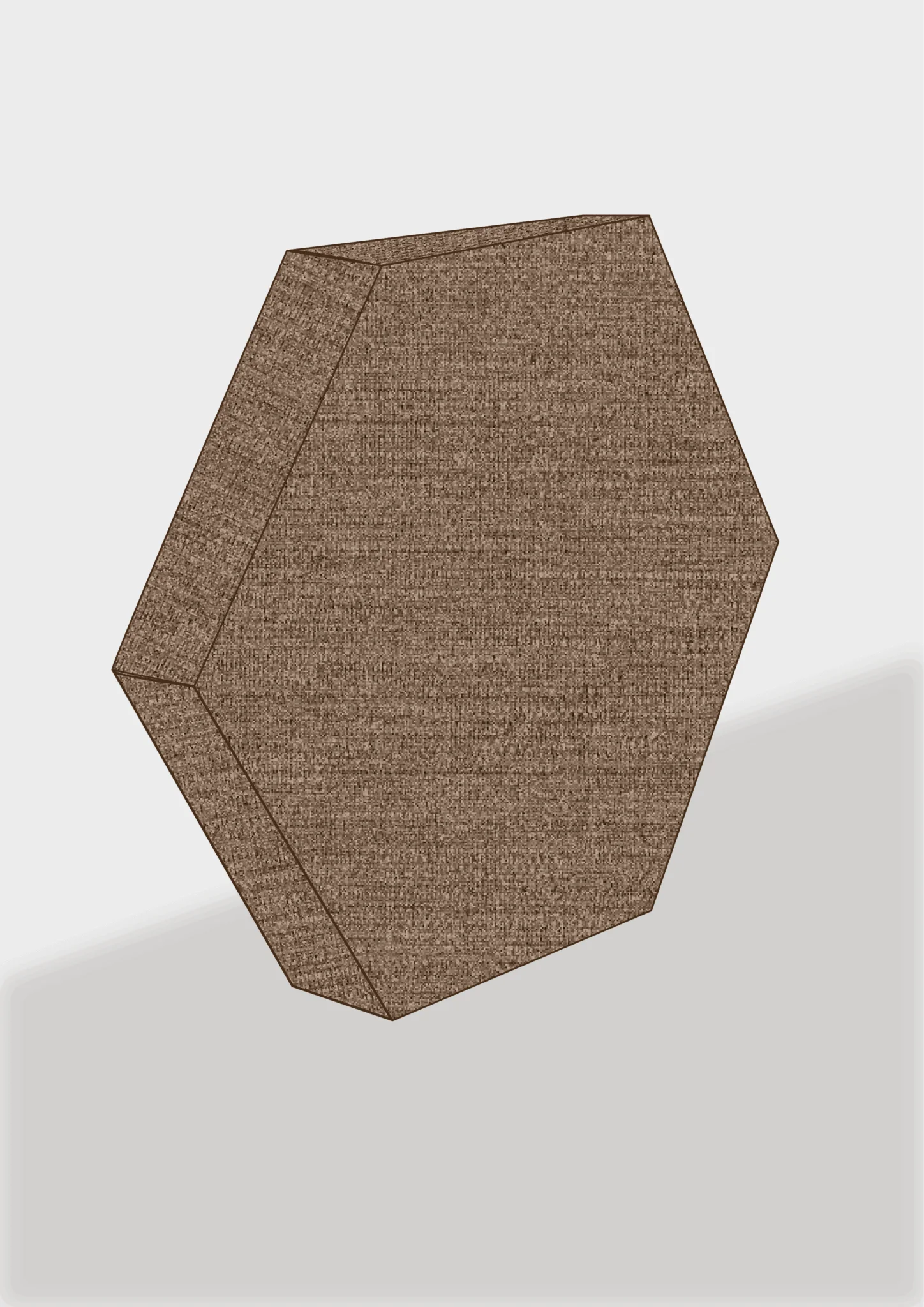
3D Acoustic Fabric Panels go a step beyond standard flat treatments, combining essential noise control with three-dimensional geometric forms. These panels are not just technical tools; they are architectural elements that transform a wall into a work of art and a focal point.

What is a 3D Acoustic Panel?

Structurally, they share the high-quality DNA of traditional panels detailed in our What is an Acoustic Fabric Panel? article:

  • A high-density sound-absorbing core (glass wool, rock wool, etc.).

  • Wrapped in an acoustically transparent, premium fabric.

The difference lies in the form. Instead of flat slabs, these panels are sculpted into shapes like Pyramids, Hexagons, Waves, Prisms, or custom geometries found on our All 3D Panel Models page.

The Dual-Action Power: Absorption & Diffusion

The biggest advantage of 3D panels is that they manage acoustics using two distinct physical methods: Absorption and Diffusion.

1. Sound Absorption

Like flat panels, their porous core "traps" sound waves. Sound energy hits the fibers and converts into heat via friction. This reduces the overall noise level and eliminates the reverberation issues mentioned in our How to Prevent Echo? guide.

2. Sound Diffusion

This is the game-changer. The angled, curved, and non-flat surfaces of 3D panels prevent sound waves from bouncing back in a straight line (like a mirror). Instead, they scatter the sound in multiple directions.

Why does this matter? Using only absorption can sometimes make a room feel "dead" or unnaturally quiet. Diffusion controls the echo without killing the room's energy. It helps sound spread naturally and evenly, creating a "live" but controlled environment—critical for Professional Studio Acoustics.

Why Choose 3D Acoustic Panels?

  • Visual Depth & Aesthetics: They instantly give walls a modern, sophisticated look. The 3D structure creates plays of light and shadow, adding dynamism to the space.

  • Design Freedom: With their modular nature, you can mix and match shapes and colors from our Acoustic Panel Color Chart to create unique wall mosaics.

  • Superior Acoustic Comfort: By combining absorption and diffusion, they elevate the room's acoustic architecture to a professional level.

  • Statement Walls: Perfect for creating a focal point behind a reception desk, a TV unit, or in a conference room.

Applications: Where Function Meets Art

3D panels are the preferred choice where aesthetics are just as important as sound control:

  • Executive Offices: For privacy and prestige (Link: Office Acoustic Solutions).

  • Hotel Lobbies: To create a lasting first impression.

  • Fine Dining Restaurants: For a hushed, intimate atmosphere Restaurant Acoustic Applications).

  • Home Cinemas & Hi-Fi Rooms: To prevent "muddy" sound.

  • Auditoriums: Ensuring clear voice projection.

Comparison: Flat vs. 3D Panels

  • Flat Acoustic Panels: If the primary goal is simply reducing echo with a budget-friendly, minimalist solution, ou Flat Fabric Wall Panels are the functional choice.

  • 3D Acoustic Panels: If your goal is to maximize acoustic performance (including diffusion) while adding a strong design character, 3D panels are the ultimate investment.

Let's Shape Your Sound

Don't just eliminate noise; sculpt it. If you are unsure which panel suits your project, contact our expert team via our Get a Free Consultation & Quote page.

Technical Specifications

  • Main Material: 95 kg/m3 density acoustic glass wool board
  • Dimensions: Custom sizes available
  • Thickness: Can be produced in desired thickness
  • Edge Detail: Hardened
  • Acoustic Performance: NRC 0.95 - 1.00
  • Fire Resistance: A2 s1 d0 class according to TS EN 13501-1+A1:2013 standard
  • Application Method: Adhesive / Z Clip

Frequently Asked Questions

What are the advantages of acoustic panels?

Acoustic panels enhance sound insulation, improve the overall sound quality of a space, reduce echoes, and control noise. They also provide a decorative and aesthetic appearance, blending into the design of a space with various color and pattern options.

How is an acoustic panel installed?

Acoustic panels are typically mounted on walls or ceilings using screws or adhesives. The mounting method can vary depending on the product and the needs of the space. Seeking professional assistance can make the installation process more effective and accurate.

How does acoustic panel affect sound insulation?

Acoustic panels enhance sound insulation by absorbing and diffusing sound waves. When sound waves are absorbed on the panel surface, the reverberation time decreases, effectively controlling noise and echo in the space, resulting in improved sound quality.

How is the maintenance of acoustic panels done

Generally, the maintenance of acoustic panels is quite simple. It may be sufficient to regularly clean the accumulated dust and dirt on the surface by gently wiping it with a damp cloth. Cleaning according to the instructions provided by the manufacturer will help ensure the longevity of the panels.

How is the sound absorption performance of acoustic panels measured?

The sound absorption performance of acoustic panels is typically measured using the Noise Reduction Coefficient (NRC) value. NRC is a numerical value between 0 and 1, and the higher the value, the more effective the panels are. Panels with a high NRC value exhibit better sound absorption performance.

Akustik panellerin ses yutma performansı nasıl ölçülür?

Akustik panellerin ses yutma performansı, genellikle NRC (Noise Reduction Coefficient) değeri ile ölçülür. NRC, 0 ile 1 arasında bir değer alır ve ne kadar fazla olursa, panellerin o kadar etkili olduğunu gösterir. Yüksek NRC değerine sahip paneller, daha iyi ses yutma performansı sergiler.

Özel ölçü ve renk seçenekleri mevcut mu?

Evet, Akçe Akustik olarak mimari projenin gerekliliklerine göre özel ölçülerde üretim yapabiliyoruz. Kumaş panellerde zengin kartela seçeneklerimiz, ahşap panellerde ise farklı kaplama ve delik/derz seçeneklerimiz mevcuttur.

NRC değeri nedir ve panel seçiminde neden önemlidir?

NRC (Noise Reduction Coefficient - Gürültü Azaltma Katsayısı), bir malzemenin sesi ne kadar iyi yuttuğunu belirten 0 ile 1 arasındaki değerdir. 1'e yakın değerler, panelin sesi daha yüksek oranda emdiğini gösterir. Akçe Akustik ürünleri, mekanın ihtiyacına göre optimize edilmiş yüksek NRC değerlerine sahiptir.