Why Not Just Decorative? Insights from Acoustic Panel Manufacturers
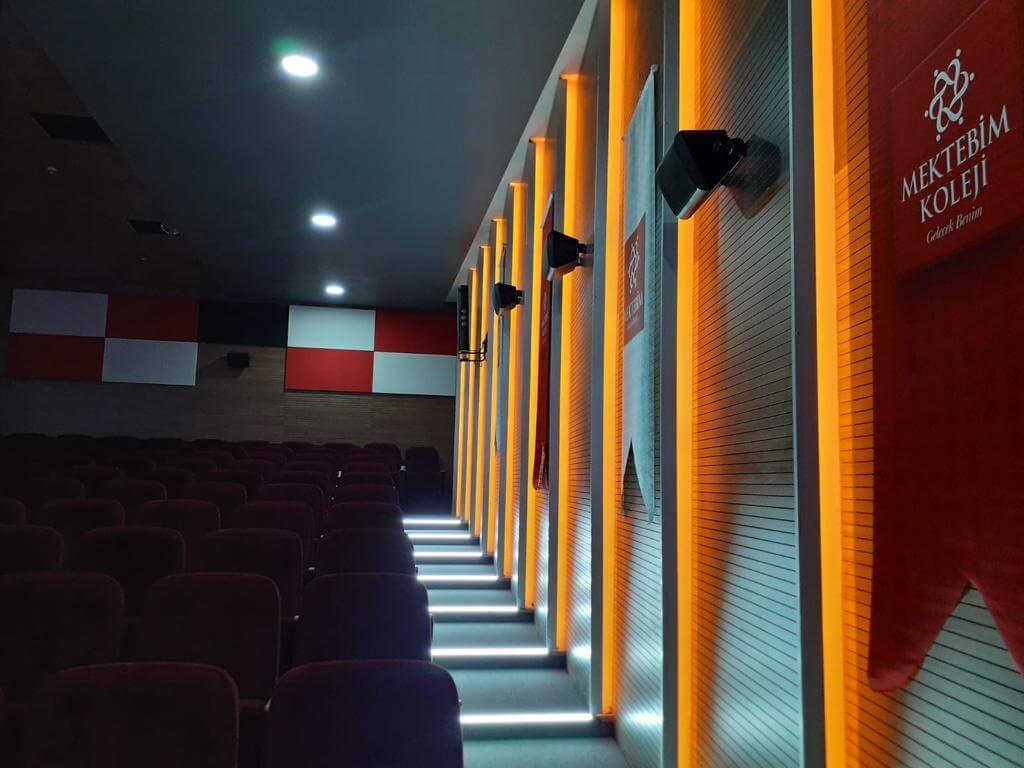
When you enter a space, the first thing you notice is usually the visuals. However, when you stay in that space for more than five minutes, your comfort is determined not by your eyes, but by your ears. In modern architecture, the search for wooden wall panels often begins with aesthetic concerns; but for a professional result, understanding the "acoustic engineering" side of these panels is critical. As Akçe Akustik, we examine in 5 steps why every panel leaving our production facility is not just a "cladding" and how the right choice can transform a project. 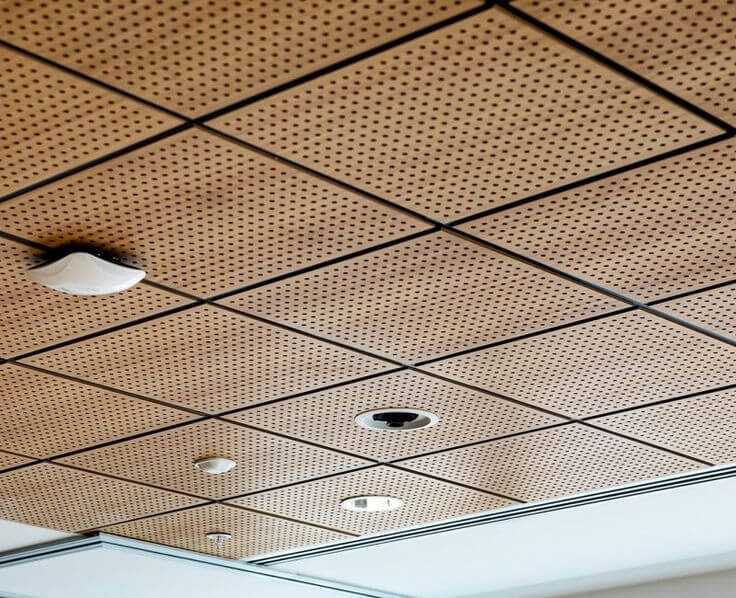
1. Echo Control: The Hidden Hero of Aesthetics
When you design a large office or a stylish restaurant, hard surfaces like marble and glass reflect sound waves continuously. This extends the "reverberation" (echo) time, making the space unbearable no matter how beautiful it looks.- Professional Tip: Using just a flat wooden surface will continue to reflect sound. For a real solution, perforated wooden panels or slotted models should be preferred. These perforations trap sound waves into the insulation layer behind the panel.
2. Acoustic Fabric Panel: The Soft Power
In a design dominated by wooden panels, acoustic fabric panels are the best assistants for points where focused sound absorption is required.- Why Use It? Fabric panels can offer higher NRC (Noise Reduction Coefficient) values compared to wood. Especially in meeting rooms and call centers, they should be strategically placed at ear level to increase speech clarity.
3. What is NRC Rating? A Technical Look
The biggest advantage of working with an acoustic panel manufacturer is access to technical data. The NRC value of the panel you purchase is between 0 and 1.- Example: A panel with an NRC value of 0.85 absorbs 85% of the sound hitting it and reflects only 15% back. If you want "clarity" rather than "silence" in your project, focus on products with an NRC value of 0.70 and above.
4. Don’t Underestimate the Power of the Ceiling
When there is no room left on the walls or you don't want to disrupt the wall design, acoustic ceiling panels and baffle systems come into play. Especially in high-ceilinged spaces, linear wooden panels suspended from the ceiling catch the sound at the top, creating a calm environment below.5. 3 Advantages of Sourcing Directly from a Manufacturer
You can find many "wood wall cladding" products on the market, but working with an acoustic panel manufacturer provides you with:- Certification: Product guarantee with international standards and fire-resistance (A2 or B-s1, d0) certificates.
- Custom Production: Project-specific perforation diameters, slot spacings, and acoustic panel colors.
- Cost and Logistics: Lead time advantages and technical support directly from the factory without intermediaries.
Conclusion: Good acoustic design is an invisible luxury. If you want your space not only to look good but also to "sound good," invest in engineering solutions that combine aesthetics with acoustics.